


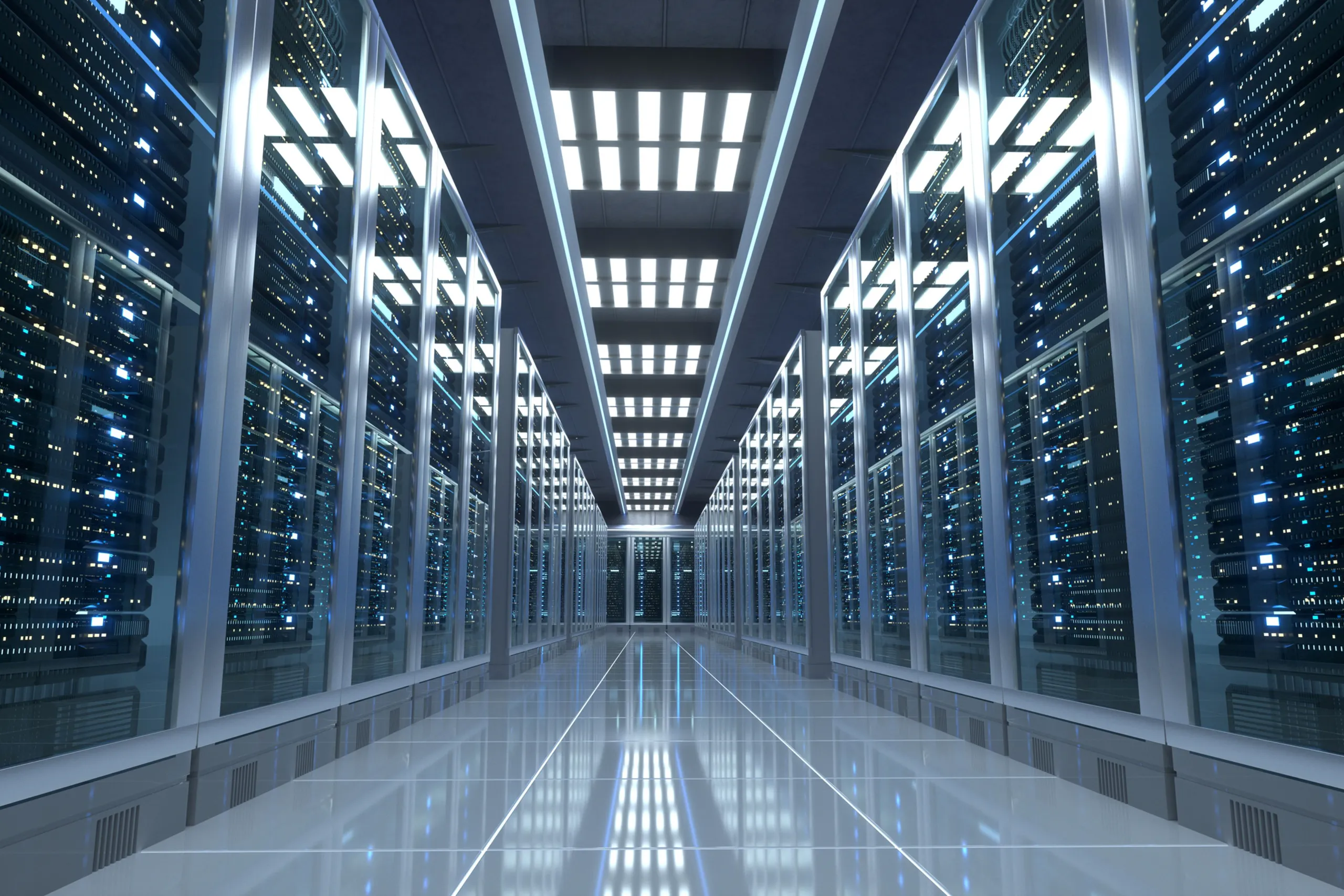
Japan is taking a bold step to strengthen its position in the global artificial intelligence race by using nuclear energy to power next-generation AI data centers. The initiative reflects a growing global trend where reliable electricity has become one of the most important requirements for AI infrastructure and semiconductor manufacturing.
According to reports from The Yomiuri Shimbun, Matsue City is developing an industrial complex focused on AI data centers by utilizing electricity generated from Chugoku Electric Power Company’s Shimane Nuclear Power Plant. The project is expected to begin operations in the 2031 fiscal year and forms part of Japan’s broader strategy to combine clean energy with advanced technology industries.
Why Japan Is Choosing Nuclear Energy for AI Data Centers
Artificial intelligence data centers require enormous amounts of electricity to keep thousands of servers and cooling systems operating around the clock. Unlike renewable energy sources that depend on weather conditions, nuclear power provides a continuous and stable electricity supply while producing virtually no carbon emissions during power generation.
The Shimane Nuclear Power Plant, located in Matsue City, is uniquely positioned to support this initiative. Unit 2 resumed operations in December 2024, while Unit 3 is currently under construction and is expected to begin operation during the 2030 fiscal year.
City officials believe this dependable power supply makes the location ideal for large-scale AI infrastructure.
Industrial Complex Designed for High-Tech Companies
The proposed industrial park will cover approximately 10.6 hectares of city-owned land in the Nakao district of northern Matsue.
To encourage investment, Matsue City plans to begin selling industrial plots from the 2027 fiscal year and is offering several incentives, including:
- Property tax support for the first three years.
- Electricity subsidies covering approximately 40% of energy costs for up to eight years.
- Telecommunications infrastructure developed in partnership with SoftBank.
- Research collaboration between Shimane Prefecture, Shimane University, industry partners, and government agencies.
The city hopes to attract companies involved in AI, telecommunications, construction, cloud computing, and other advanced technology sectors.
Japan’s Energy Policy Has Changed
The project follows a significant shift in Japan’s national energy strategy.
In February 2025, Japan approved its 7th Strategic Energy Plan, replacing its previous policy of reducing dependence on nuclear energy with a commitment to the “maximum utilization” of nuclear power plants.
The government also plans to establish GX (Green Transformation) Strategic Regions, where industries powered by low-carbon energy sources can receive substantial financial support. Selected projects could qualify for government subsidies covering up to 50% of capital investment costs for factories and data centers.
More Cities Are Following the Same Strategy
Matsue is not the only Japanese city embracing this approach.
Several municipalities that host nuclear power plants are now planning similar industrial developments.
Obama City in Fukui Prefecture is preparing an industrial complex aimed at attracting semiconductor manufacturers and other high-tech companies, with land sales expected to begin during the 2028 fiscal year.
Kashiwazaki City in Niigata Prefecture is also considering a GX industrial zone near the Kashiwazaki-Kariwa Nuclear Power Plant, targeting business occupancy before the end of 2030. Local authorities are also exploring financial incentives that would allow companies to access nuclear-generated electricity at lower costs.
Power Is Becoming the New Competitive Advantage
As artificial intelligence continues to expand, electricity is becoming just as important as land, skilled workers, and government incentives.
Modern AI data centers operate 24 hours a day and consume enormous amounts of power for computing and cooling. Countries that can provide reliable, affordable, and low-carbon electricity will likely have an advantage in attracting technology investments.
Japan’s latest initiative demonstrates how energy infrastructure is increasingly shaping industrial development strategies. Rather than viewing nuclear power solely as an energy source, local governments are positioning it as a foundation for future economic growth through AI, cloud computing, and semiconductor manufacturing.
As stated by The Yomiuri Shimbun, Matsue City’s strategy highlights how stable energy supply is becoming a key factor in determining where the world’s next generation of AI infrastructure will be built.
Source:
The Yomiuri Shimbun.
For more interesting technology news, tips, and articles, check out our blog page at https://www.absmiley.com/blog/