
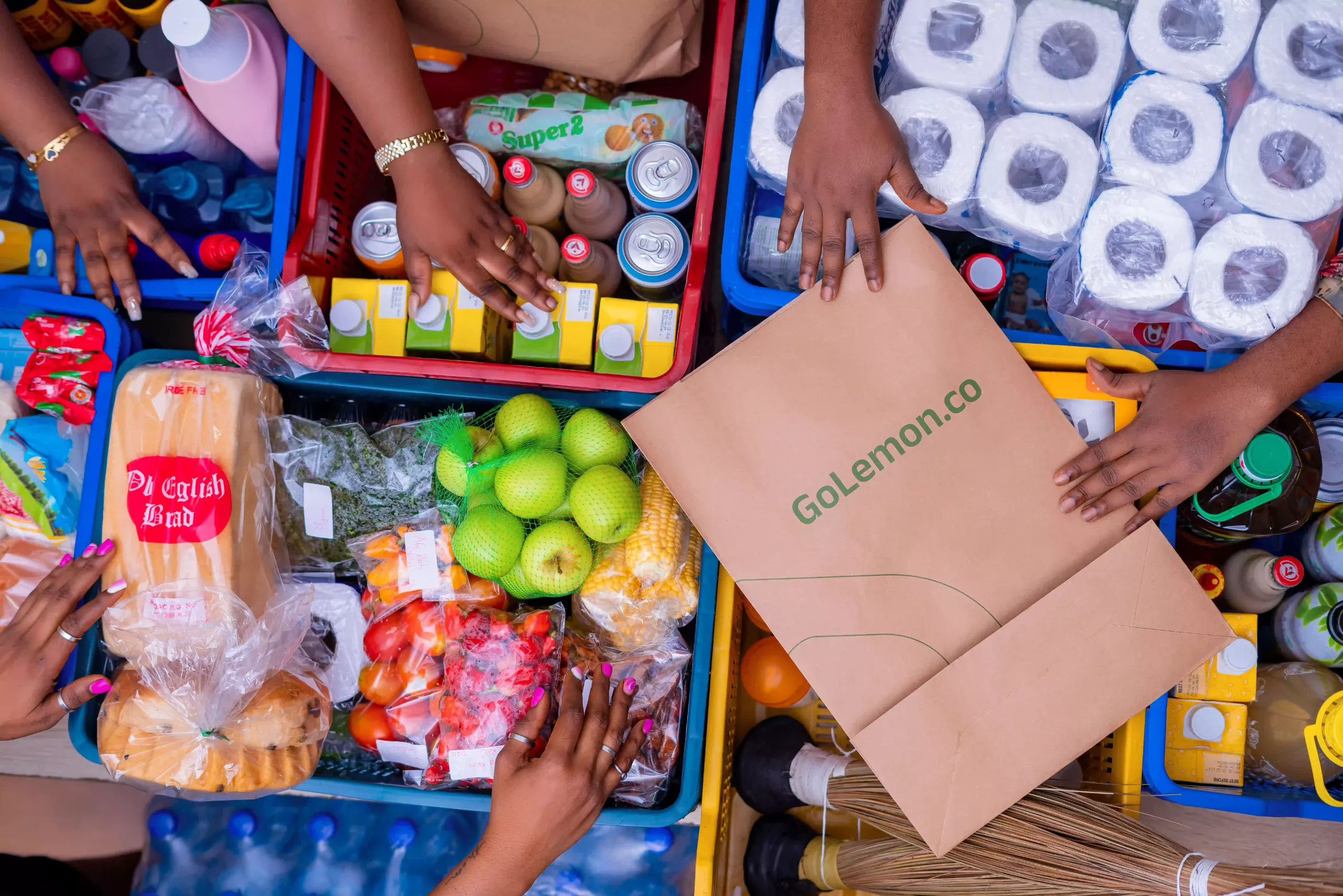
GoLemon, a Lagos-based grocery delivery startup founded by former Paystack employees, has officially announced the closure of its operations after failing to raise the fresh capital needed to sustain its business.
The company, which launched in 2024 with the goal of making grocery shopping more affordable for Nigerian households, stopped accepting new orders in July 2026. Customer support services will remain available until August 2, 2026, to resolve any outstanding issues.
As stated by TechCabal, GoLemon successfully delivered tens of thousands of grocery orders across Lagos during its two-year journey, with customers spending an average of about ₦43,700 per order.
According to the company, there was strong demand for planned household grocery shopping, especially for large basket purchases. However, despite generating profits on individual orders, the business struggled to achieve the order volume required to cover its fixed operating expenses.
Why GoLemon Could Not Survive
Unlike many online marketplaces, GoLemon built and managed almost every aspect of its operations. The startup purchased products directly from farmers and manufacturers, operated warehouses, managed inventory, developed its own technology platform, and handled deliveries.
While this approach helped the company maintain product quality and competitive pricing, it also created significant operating costs, including:
- Warehouse operations
- Electricity and diesel expenses
- Employee salaries
- Technology development
- Logistics and delivery management
The company admitted that expanding this infrastructure too quickly increased its financial burden.
Funding Challenges Became the Final Blow
GoLemon confirmed that its shutdown was mainly caused by its inability to secure additional investment before running out of cash.
Although investors showed interest, none of the funding discussions were completed within the company’s remaining financial runway. The challenging investment climate for capital-intensive consumer startups also made fundraising increasingly difficult.
As stated by TechCabal, investors questioned whether the returns would justify the large amount of capital and time required to scale a grocery delivery business in Nigeria.
Partnership With Chowdeck Was Not Enough
In December 2025, GoLemon partnered with Chowdeck to expand its delivery reach. Under the arrangement, customers placed grocery orders through the Chowdeck app while GoLemon handled sourcing and fulfilment before Chowdeck riders completed deliveries.
Although the partnership helped improve delivery flexibility, it was not enough to keep the business afloat.
Staff and Customers Protected During Shutdown
GoLemon stated that:
- Employees have received their prorated salaries.
- No payments are owed to suppliers or business partners.
- Around 20% of staff members have already secured new jobs.
- Customer refund requests have been resolved, with support remaining available until August 2.
The startup is also working closely with farmers and manufacturers as it winds down its operations responsibly.
A Difficult Reality for Grocery Delivery Startups
GoLemon’s closure highlights the ongoing challenges facing grocery delivery businesses across Africa.
Several major companies, including Jumia and Bolt, previously exited the food and grocery delivery market after struggling with profitability. GoLemon’s experience further demonstrates that while customer demand exists, achieving sustainable growth in this sector remains extremely difficult due to high operating costs and the need for continuous funding.
Despite shutting down, the founders remain optimistic that affordable, dependable grocery shopping for Nigerian households is still possible with the right business model.
Source: TechCabal
For more interesting technology news, startup updates, and insightful articles, check out our blog page at https://www.absmiley.com/blog/
SEO Tags: