


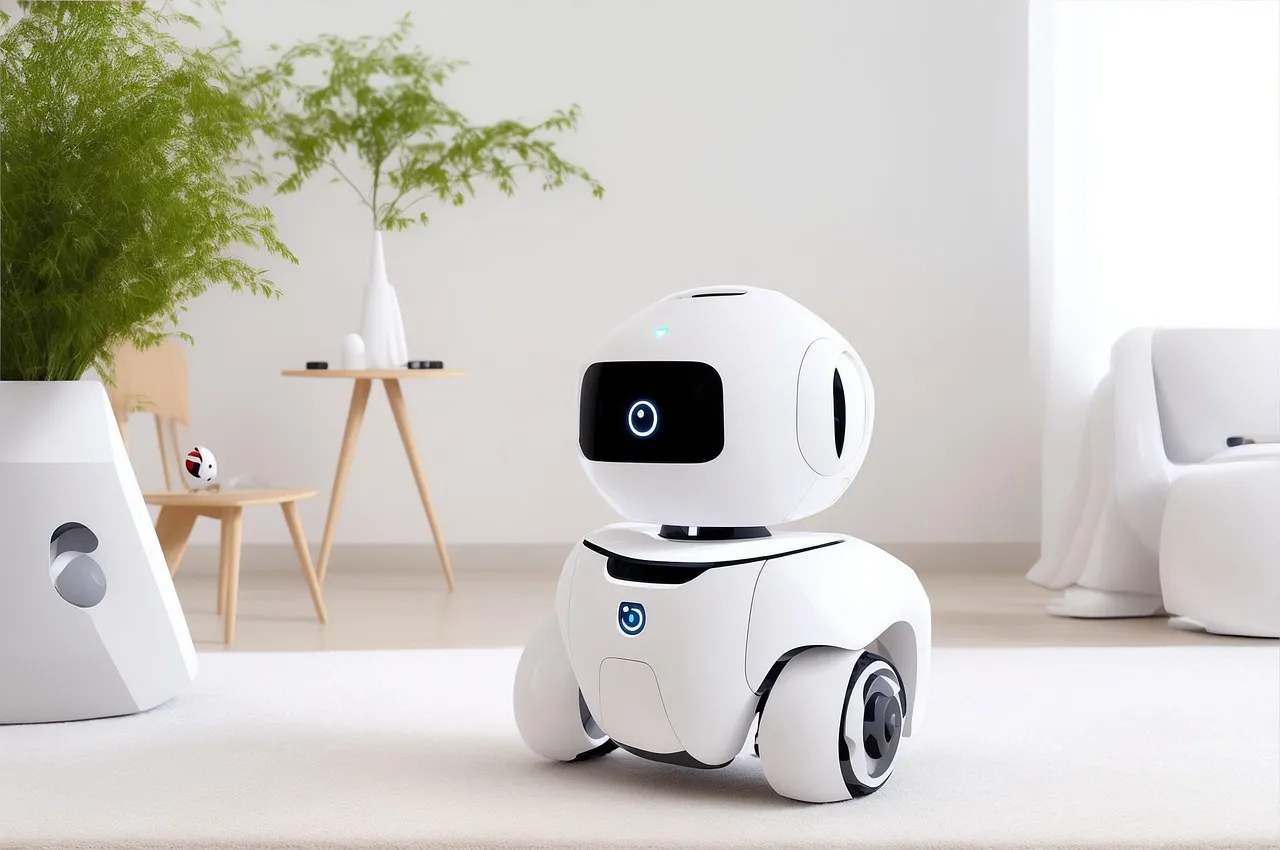
We tend to think of Artificial Intelligence as something from the future — self-driving cars, humanoid robots, or the kind of superintelligence you’d see in a science fiction movie. But the truth is far more ordinary, and far more interesting: AI is already woven into the fabric of your daily life, and you’ve probably been using it for years without realizing it.
In fact, a HubSpot survey revealed that 63% of respondents were unaware that they were using AI technologies at all. That’s the majority of people walking around with powerful AI in their pockets — completely oblivious to it.
Here are 10 everyday examples of artificial intelligence in daily life that might genuinely surprise you.
1. Shopping Online
Every time you browse an online store and see a section labeled “People Also Bought” or “Recommended for You,” you’re looking at AI in action. E-commerce platforms analyze your browsing history, purchase patterns, location, and even the time of day to decide what products to show you.
This isn’t random — it’s a recommendation engine powered by machine learning, trained on the behavior of millions of shoppers to predict what you’re most likely to want next. Platforms like Amazon have built their entire customer experience around this kind of AI-driven personalization.
2. Unlocking Your Phone With Your Face
Your PIN isn’t AI. But if you use Face ID or any fingerprint-based unlock, you’re using artificial intelligence every time you pick up your phone.
Apple’s Face ID works by using the TrueDepth camera system to beam infrared light on your face while projecting a pattern of more than 30,000 invisible infrared dots onto your face, creating a detailed 3D map. Your device’s chip then processes the infrared image using facial recognition algorithms and neural networks to analyze the data, converting it into a mathematical representation known as a facial signature.
What makes this impressive is that Face ID also adapts to changes in your appearance, such as wearing cosmetic makeup or growing facial hair. It’s not just comparing two photos — it’s constantly learning what you look like.
3. Scrolling Through Social Media
You’ve probably heard people reference “the algorithm” on platforms like Instagram, TikTok, Facebook, or YouTube. That algorithm is AI.
Social media platforms use machine learning to analyze your likes, shares, watch time, comments, and even how long you pause on a post to decide what content to show you next. Why does YouTube always suggest videos you actually want to watch, or Spotify queue up songs that fit your mood? That’s AI analyzing your habits and creating a tailored experience.
The algorithm isn’t always well understood — and platforms deliberately keep their exact methods private to prevent people from gaming them. But every time you see a “For You” or “Recommended” section, that’s a social media algorithm doing its job.
4. Talking to Digital Assistants
If you’ve ever said “Hey Siri,” “OK Google,” or “Alexa” — you’ve had a conversation with artificial intelligence.
When you ask Siri, Alexa, or Google Assistant to play a video, set a calendar reminder, or check the weather, you’re interacting with AI that uses Natural Language Processing (NLP) to interpret and deliver prompt responses to your queries.
These assistants may seem simple — and compared to tools like ChatGPT, they are — but they still represent a significant feat of AI engineering, turning your spoken words into understood commands in real time.
5. Getting Directions
The next time Google Maps saves you from sitting in traffic, thank AI.
Navigation apps like Google Maps, Apple Maps, and Waze don’t just tell you how to get somewhere — they analyze real-time traffic data, predicting congestion and suggesting faster routes automatically. They also factor in your mode of transport, so walkers don’t get sent down a busy motorway and cyclists get routed differently from drivers.
Many of these apps also incorporate user-submitted reports — accidents, road closures, speed traps — which the AI then factors into its recommendations for everyone.
6. Editing Photos on Your Phone
AI-powered photo editing used to require professional software. Now it’s built into the camera app on your phone.
If you’ve ever tapped on a subject to separate it from the background, used portrait mode, or had your phone automatically enhance a photo’s brightness — that’s machine learning at work. Apple’s Neural Engine is specifically designed to improve the speed and efficiency of processing algorithms related to artificial intelligence and machine learning, enabling real-time tasks like facial recognition and photo enhancement.
Tools like Adobe Photoshop’s AI-powered Object Selection have also brought professional-grade AI editing to mainstream users, powered by the same kind of neural networks.
7. Autocorrect and Predictive Text
Every time your keyboard finishes your sentence or quietly fixes your typo, AI is saving you from yourself.
Autocorrect and autocomplete systems are trained on enormous amounts of written text. Over time, they also learn from your specific writing style — the words you use most, the names you frequently type, your preferred phrases — and use that data to predict what you’re going to say next. It’s a small but ever-present example of artificial intelligence in daily life working quietly in the background.
8. Playing Video Games
AI has been inside video games almost since the beginning — long before it became a buzzword.
Any time you play against a computer-controlled opponent, AI is determining how it behaves. Early examples like the ghosts in the original Pac-Man arcade game each had distinct, AI-programmed behavioral patterns — one chased you directly, another tried to cut you off, another based its moves on the position of the first. For a game from 1980, that was surprisingly sophisticated.
Modern games go far further. Enemies adapt to your tactics. NPCs remember what you did. Entire game worlds are now being generated procedurally using AI. You can read more about how game AI has evolved at Game Developer.
9. Listening to Music
When Spotify creates a “Daily Mix” for you or YouTube Music generates a playlist from a single song, that’s AI curating your listening experience.
Streaming platforms like Spotify analyze your habits and create a tailored experience based on what you and other users listen to. The system looks at musical attributes — tempo, key, energy, danceability — as well as what people with similar tastes enjoy, and builds recommendations around that data. It’s not a human DJ; it’s a machine learning model that has studied millions of listening sessions.
10. Using Navigation and Search Engines
Even your daily Google search now involves AI. A quick Google search still gives you a near-endless list of links, but now it comes with extras — videos, Top Stories, and if you type your search as a question, Google’s AI may jump in immediately with a full answer at the top of the page. The shift is from “finding information” to “getting an answer” — and AI is the engine behind it.
Search engines have used AI-driven ranking algorithms for years. What’s new is how visible that AI has become, stepping to the front of the results page rather than working quietly behind the scenes.
The Bigger Picture
AI isn’t something coming for your job or your life in the future. It’s already here — in your phone, your playlist, your morning commute, your shopping cart, and your social media feed. It’s the invisible assistant that makes your smartphone “smart.”
The question isn’t whether you’re using AI. You already are. The more interesting question is: now that you know, how will you use it intentionally?
You might also be interested in: Why Is My PC Freezing on Startup? Causes and How to Fix It
Enjoyed this article? View more tech stories at absmiley.com/blog →