


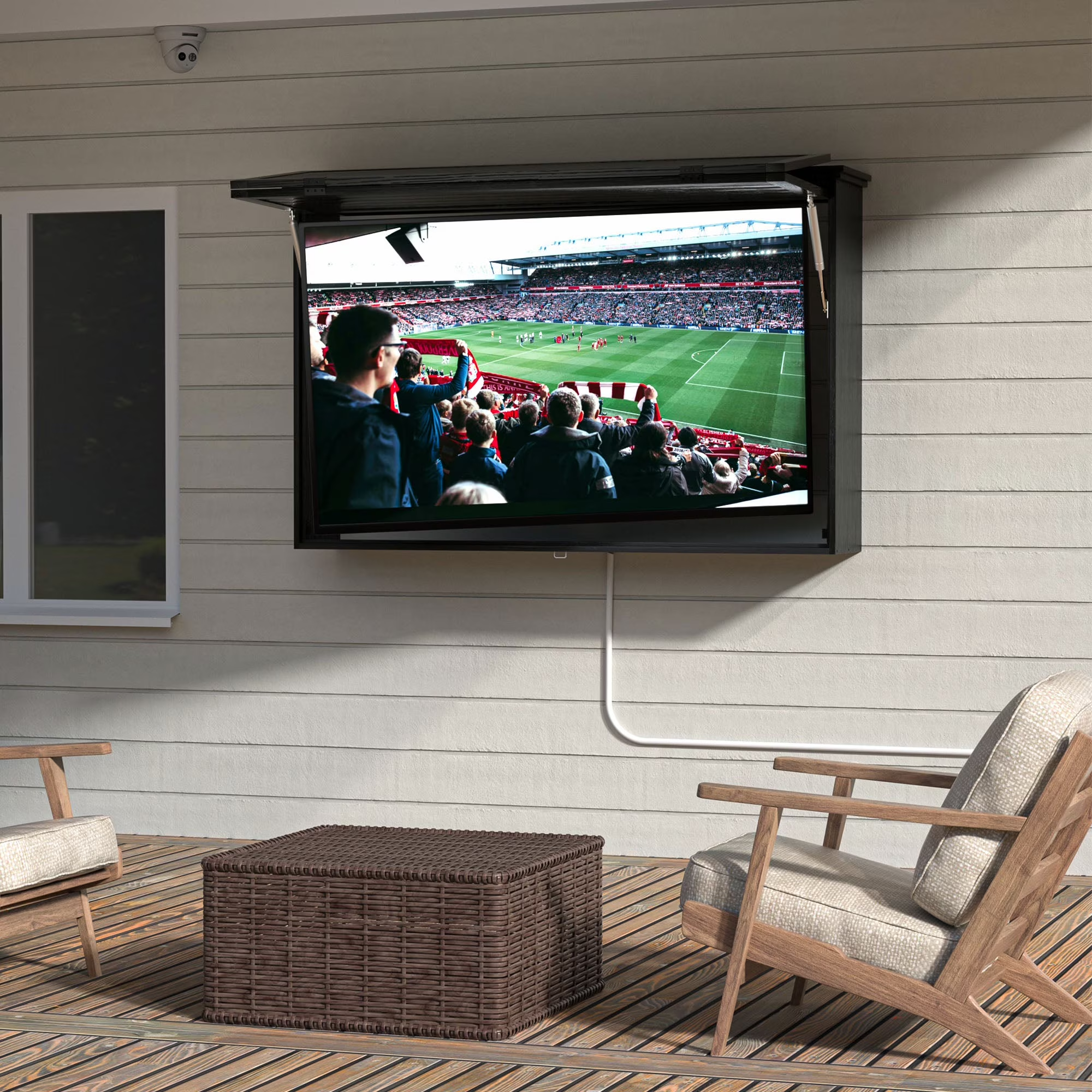
A smart outdoor TV is specifically built for environments where a regular television may struggle. Although, both types of TVs can stream movies, connect to the internet and support smart apps, however, outdoor models are designed to withstand sunlight, rain, dust, temperature changes and the noise commonly found outside.
If you are considering putting a television on your balcony, patio, rooftop or in your backyard, understanding the difference between an outdoor TV and a regular smart TV can help you make the right choice and avoid unnecessary costs.
What Is a Smart Outdoor TV?
A smart outdoor TV is basically a smart television engineered to effectively function in outdoor environments. It offers many of the features found on conventional smart TVs, including Wi-Fi and wired internet connectivity, HDMI and USB ports, screen casting and access to streaming applications.
The major difference is the additional hardware protection and display technology designed for outdoor viewing.
According to LifeWire, outdoor smart TVs commonly include brighter displays, stronger speakers, anti-glare screens and protective casings that help shield the internal components from environmental conditions.
What Makes Outdoor TVs Different?
Several features separate an outdoor TV from an ordinary television.
1. Brighter Display
Sunlight is one of the biggest challenges when watching television outdoors.
Indoor TVs are generally designed for controlled lighting conditions, while outdoor models use significantly brighter displays to make images easier to see during the day.
Some outdoor televisions can reach more than 1,000 nits of brightness, depending on the model.
This extra brightness helps reduce the problem of a screen becoming difficult to see when direct sunlight hits it.
2. Anti-Glare Screen
Brightness alone is not enough for an outdoor TV.
Outdoor smart TVs typically use anti-glare technology to reduce reflections from sunlight and other light sources.
This can make a major difference when watching content in an open space where there is no control over surrounding lighting.
3. More Powerful Speakers
Outdoor environments can be considerably noisier than indoor rooms.
People talking, traffic, wind and music from other parts of a property can make the sound from a conventional television difficult to hear.
Outdoor TVs therefore tend to feature more powerful speakers designed to deliver clearer and louder audio in open environments.
For an even better experience, users can also pair their TV with a suitable outdoor sound system.
4. Stronger Screen Protection
An outdoor television needs to withstand more physical risks than a TV inside a living room.
Outdoor models may use stronger protective glass designed to reduce the risk of scratches and damage from objects such as balls and other outdoor items.
This doesn’t mean the screen is indestructible, but it provides an additional layer of protection.
5. Protection Against Temperature Changes
Outdoor temperatures can vary significantly throughout the year.
Unlike ordinary TVs, outdoor models can be designed with heating and cooling systems that allow the electronics to operate across a wider temperature range.
This is particularly important in locations where the TV may be exposed to very hot afternoons or cold nights.
6. Weather-Resistant Casing
Perhaps the most important feature of an outdoor smart TV is its protective enclosure.
The casing is designed to help prevent dust, insects and moisture from reaching sensitive internal components.
Depending on the model, protection may extend against conditions such as rain, snow, hail and extreme temperatures.
However, buyers should always check the manufacturer’s specific weather-resistance rating instead of assuming every outdoor TV is completely waterproof.
Can You Put a Regular Smart TV Outside?
Generally, you should not use a regular smart TV outdoors unless the manufacturer specifically states that it is designed for outdoor use.
A conventional television is normally built for a controlled indoor environment. Exposing it to rain, humidity, dust, insects and extreme temperatures can damage its internal components.
Direct sunlight can also cause excessive heat and make the screen difficult to view.
Even if you place a regular TV under a roof, the surrounding environment may still expose it to moisture, dust and temperature fluctuations.
For this reason, an outdoor TV is the safer choice when permanent outdoor installation is required.
Does an Outdoor TV Need a Cover?
An outdoor smart TV may not necessarily require a cover if it has been designed and installed for the conditions it will face. However, a cover can provide additional protection when the television is not being used.
Heavy-duty outdoor TV covers can help reduce exposure to dust, moisture and other environmental factors.
Another option is an outdoor TV cabinet. These cabinets can protect the television when it is switched off and may also provide additional security.
Some outdoor cabinets include lockable doors, which can make it harder for someone to access or steal the television.
What About Nigeria’s Weather?
For Nigerian homeowners considering an outdoor TV, weather protection deserves particular attention.
Outdoor entertainment areas can be exposed to intense sunlight, high temperatures, humidity, dust and heavy rainfall depending on the season and location.
This makes features such as a bright display, weather-resistant enclosure, adequate ventilation and temperature protection particularly important.
Before purchasing an outdoor TV, check the manufacturer’s environmental operating limits and protection rating rather than relying only on the term “outdoor.”
Outdoor TV Alternatives
If a dedicated outdoor smart TV is outside your budget, a projector can be an alternative for occasional outdoor movie nights.
A projector can display content on a dedicated projection screen or, in suitable conditions, a relatively flat exterior wall.
However, projectors have their own limitations. Daylight can make projected images difficult to see, meaning they are generally more suitable for evening entertainment.
You will also need to consider the projector’s brightness, weather protection, power requirements and the availability of a suitable projection surface.
Is an Outdoor Smart TV Worth It?
If you regularly watch television outdoors, an outdoor smart TV can be a worthwhile investment.
Its brighter display, weather-resistant construction, improved audio and additional environmental protection make it much better suited to outdoor conditions than a conventional television.
However, if you only plan to watch movies outside occasionally, a projector or temporary entertainment setup may be more practical.
The most important thing is not to assume that every smart TV can safely be moved outdoors.
As reported by LifeWire, the major difference between a regular smart TV and an outdoor model is not necessarily the smart functionality. It is the additional engineering that allows the outdoor television to function in a much more demanding environment.
For more interesting technology news, gadget guides, AI updates and useful tech articles, check out the ABSmiley blog at https://www.absmiley.com/blog/.